November 27, 2026
Aging can bring changes that make everyday activities more challenging, but seniors don't have to give up their independence as their needs evolve. With the right support, practical home adjustments, and familiar routines, older adults can continue enjoying life in their own homes. Understanding where assistance may be helpful is an important first step for families.
Understanding the Changing Needs of Seniors
Recognizing Physical Changes
As people age, changes in strength, balance, coordination, and mobility can make everyday activities more difficult. Joint stiffness and reduced muscle strength may affect a senior's ability to walk, reach for objects, or move safely around the home. Adjusting daily routines and making appropriate accommodations can help older adults continue participating in activities they enjoy.
According to The Business Research Company, 1 of 6 people in the world will be more than 60 years old by 2030. As the aging population grows, finding practical ways to support older adults becomes increasingly important. Families can benefit from discussing changing needs early and identifying areas where additional assistance could make daily life easier.
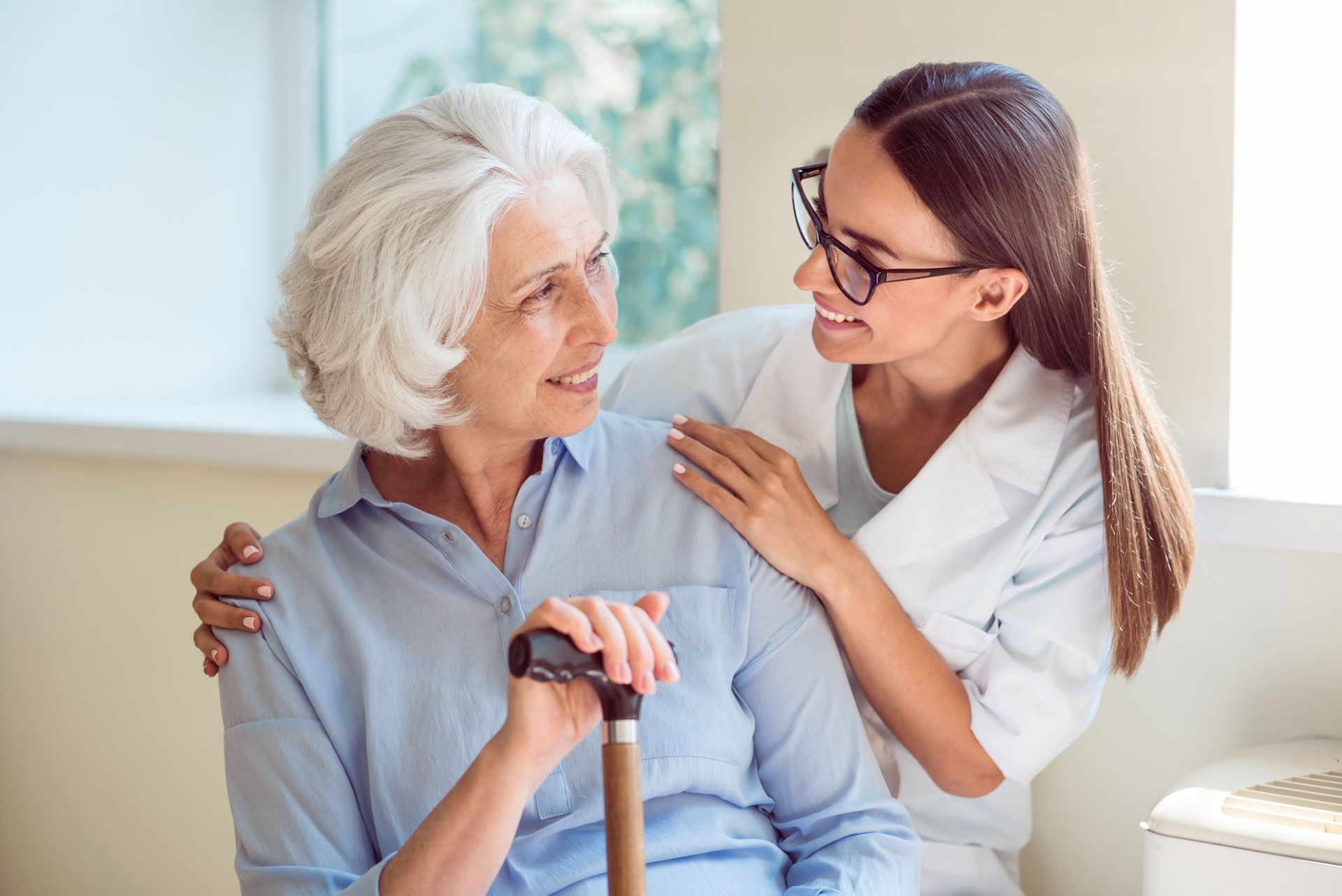
Mobility aids, grab bars, and other accessibility features can help seniors navigate their surroundings. An elderly care service may also provide assistance with bathing, dressing, grooming, and moving around the home, allowing seniors to maintain as much independence as possible.
Understanding Memory and Cognitive Changes
Some older adults experience changes in memory, concentration, and information processing as they age. Others may experience more significant memory difficulties associated with conditions such as Alzheimer's disease or dementia. These changes can affect everyday routines, including remembering appointments, locating belongings, or following familiar schedules.
Establishing consistent routines can make daily activities easier to navigate. Written reminders, labeled storage areas, calendars, and familiar household arrangements may help seniors manage everyday responsibilities. Families can also encourage enjoyable activities such as reading, listening to music, completing puzzles, or sharing stories.
Patience and clear communication are especially important when supporting someone experiencing memory difficulties. Caregivers can offer simple reminders and allow seniors time to participate in familiar activities. An elderly care service can provide consistent assistance with daily activities while respecting individual preferences and established routines.
Supporting Emotional and Social Well-Being
Emotional well-being is another important part of maintaining independence. Retirement, changes in mobility, and the loss of friends or loved ones can contribute to loneliness and frustration. Some seniors may also feel discouraged when they begin needing help with activities they previously handled themselves.
Maintaining meaningful relationships and participating in enjoyable activities can help older adults preserve a sense of purpose. Family visits, hobbies, community events, and regular conversations provide opportunities for connection. Caregivers can also offer companionship through shared activities and everyday conversations.
Creating a Safe and Comfortable Living Environment
Making Practical Home Modifications
A home's layout can significantly affect how easily seniors complete everyday activities. Features that were once convenient may become difficult to navigate when mobility or balance changes. Fortunately, simple adjustments can make living spaces more accessible without requiring extensive renovations.
Installing grab bars in bathrooms, adding handrails to stairways, and improving doorway accessibility can help seniors move around more comfortably. Removing loose rugs, securing electrical cords, and rearranging furniture can also reduce obstacles. Frequently used belongings should be stored where they are easy to reach.
Home modifications should reflect an individual's abilities and preferences. Involving seniors in these decisions helps preserve their sense of ownership. An elderly care service can complement these improvements by providing assistance with household activities and personal routines that have become more challenging.
Reducing Everyday Safety Risks
Falls are a major concern for aging adults because they can affect mobility, confidence, and independence. Maintaining clear walkways, using appropriate lighting, and keeping frequently used items accessible are practical ways to reduce common household hazards.
Bathrooms and stairways deserve particular attention because wet floors, uneven surfaces, and poor visibility can create additional risks. Non-slip bath mats, sturdy handrails, and accessible seating can make these areas easier to navigate. Comfortable footwear that provides adequate support is also important.
Families and caregivers can pay attention to changes in how seniors move through familiar spaces. If someone appears less steady or struggles with certain activities, family members can discuss these observations with the appropriate healthcare provider.
Using Technology to Support Independence
Assistive technology offers additional ways for seniors to manage everyday activities and stay connected with loved ones. Voice-activated devices, automated lighting, and smart thermostats can make household tasks more convenient. Video calling applications also allow older adults to communicate with family members who live farther away.
Personal emergency response systems provide another layer of reassurance. Depending on the device, seniors may be able to contact someone for assistance with the push of a button. Family members can help seniors become familiar with these tools and choose options that address their needs.
Supporting Independence Through Everyday Assistance
Maintaining Familiar Daily Routines
Consistent routines can help seniors feel more comfortable and confident as their abilities change. Regular mealtimes, familiar morning activities, and predictable schedules provide structure throughout the day. These habits can be especially helpful for individuals experiencing memory difficulties.
Families can work with loved ones to identify which activities they prefer to complete independently and where assistance would be welcome. Some seniors may need occasional help getting dressed, while others may benefit from support with meal preparation, laundry, or light housekeeping. An individualized service plan can outline requested assistance and establish expectations for daily support.
It is important to avoid taking over tasks that seniors can still complete themselves. Allowing additional time for familiar activities and offering help when needed encourages participation and preserves confidence. An elderly care service should complement an individual's existing abilities rather than unnecessarily limit their involvement.
Encouraging Physical Activity and Personal Interests
Remaining active can contribute to a senior's overall well-being and help preserve a sense of independence. Activities such as walking, gardening, dancing, and participating in recreational classes offer opportunities for movement and enjoyment. The right activities depend on each person's interests, comfort level, and physical abilities.
Seniors should consult their healthcare providers about appropriate physical activities, particularly when they have mobility limitations or ongoing health concerns. Caregivers can provide practical support by helping with transportation or accompanying seniors during outings.
Personal interests are equally important. Reading, crafting, cooking, listening to music, and spending time outdoors can provide enjoyment and structure. Encouraging seniors to continue participating in familiar hobbies helps maintain connections to their interests and identities.
Knowing When Additional Assistance Is Needed
Recognizing when a loved one needs additional help can be difficult for families. Changes often happen gradually, making it easy to overlook growing challenges. Unfinished household tasks, difficulty preparing meals, neglected personal routines, and increased reliance on family members may indicate that additional support would be beneficial.
Open conversations can help families understand which activities have become frustrating or difficult. Rather than focusing only on limitations, these discussions should emphasize what would make everyday life more comfortable. Seniors should have an opportunity to express their preferences and participate in decisions about the assistance they receive.
For families balancing work, personal responsibilities, and caregiving, outside assistance can provide valuable relief. An elderly care service may help with activities of daily living, companionship, meal preparation, light housekeeping, and other non-medical responsibilities. The type and frequency of assistance can be adjusted as circumstances change.
Families exploring an elderly care service should look for support that respects their loved one's preferences and encourages participation in everyday activities. Maintaining independence does not mean managing every responsibility without help. With thoughtful adjustments, familiar routines, and dependable everyday assistance, older adults can continue enjoying the comfort of their homes. Comforts of Home offers non-medical homecare assistance designed around individual needs and preferences. Contact Comforts of Home to learn how personalized in-home support can help your loved one remain comfortable, connected, and independent. Our licenses include the following: #HHA: 299994864, 299992279, 299993449.